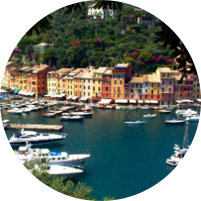
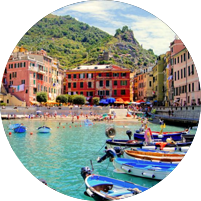
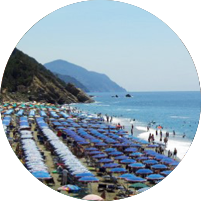
Dando un occhiata alla cartina, scoprirai che Deiva Marina è situata al centro della riviera di levante, fra Cinque terre e Portofino, fra Genova e La Spezia, fra Lunigiana, Riviera spezzina, val di vara, val di Magra da una parte e golfo del tigullio, val d’aveto, val fontana buona e golfo paradiso dall’altra.

La tua vacanza a Deiva Marina
tra le Cinque Terre e Portofino
nel rispetto dell’ambiente
Scopri di più
 Contattaci su WhatsApp
Benvenuti al Residence Kriss
L'ospitalità nel modo migliore.

Al vostro arrivo sarete accolti da Cristina e Franco, che vi accompagneranno con piacere per tutta la durata del soggiorno.
Saremo presenti fin dal primo momento per assistervi con il parcheggio dell’auto, la consegna delle chiavi,
il check-in e per fornirvi tutte le informazioni turistiche utili a farvi vivere al meglio la vostra esperienza.
Durante il soggiorno resteremo sempre a vostra disposizione, 24 ore su 24, pronti ad aiutarvi per qualsiasi necessità o a risolvere eventuali inconvenienti.
Tutto questo nel rispetto di una continuità di valori e tradizioni che, dal 1979, caratterizzano la nostra conduzione familiare,
all’insegna della cordialità e dell’accoglienza, con l’obiettivo primario di farvi sentire sempre come a casa.
Ma non è tutto! Ti offriamo una vacanza rispettando l'ambiente!
Sappiamo che la plastica è uno dei maggiori inquinanti dei nostri mari e non solo!
Per questo noi del Residence Kriss desideriamo sentirci parte attiva nel rispetto della natura
e in dovere di dare un contributo nel proteggerla, ogni giorno.
Vi aspettiamo per un indimenticabile soggiorno... ecosostenibile.
- distributore di acqua Plastic Free
- colonnina ricarica auto elettriche
- 100% energia elettrica da fonti rinnovabili
- pannelli solari termici
 Scopri di più


Prenota con noi, conviene!
Prenota sul sito ufficiale e ottieni numerosi vantaggi

Perché scegliere Deiva Marina

-

-

A Deiva Marina troverai un piccolo centro balneare, tranquillo e sicuro anche per i tuoi bambini sia di giorno che di notte
-

Un clima mite d’inverno e non afoso d’estate ti consentirà di effettuare escursioni in tutte le stagioni.
-

Potrai dedicarti al mare e al relax su una bellissima spiaggia di sabbia oppure ai tuoi sport preferiti come la pesca, il diving, il wind surf, le passeggiate, il trekking o il bike.
-

Al centro di una fitta rete di sentieri affacciati sul mare, tipici della costa ligure, gratuiti e sempre aperti.
-

Deiva Marina dista solo 20 minuti di treno dal Parco delle Cinque Terre (solo per i sentieri nel parco da Monterosso a Riomaggiore occorre la Cinque Terre Card a pagamento, acquistabile presso l'Ufficio turistico di Deiva Marina).
-

A 40 minuti di treno dal Parco di Portofino.
-

Deiva Marina è facilmente raggiungibile tramite: uscita autostradale “Deiva Marina” sulla A12 Genova Livorno Stazione Ferroviaria nel centro del paese Aereoporti : Genova a 60 km , Pisa a 90 km.
Alla scoperta del Territorio
Deiva Marina, con il suo mare meraviglioso e la sua vicinanza alle Cinque Terre,
al Golfo dei Poeti
e al Golfo del Tigullio offre numerosissime opportunità di svago.